
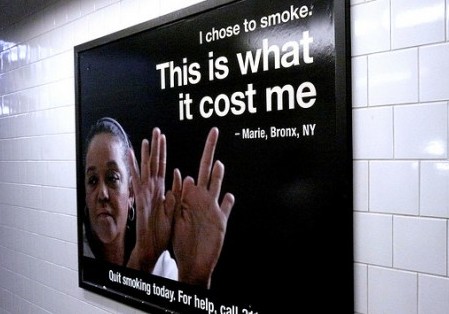
The ban on E-Cigarettes in NY has brought on some bad news. There has been a considerable reported increase on smoking in New York City after the city government imposed stricter tobacco restrictions in April of 2014. It is rather illogical to link this with the report released by the World Health Organization as was just released in August of this year. If the city government of New York wants to shrink the current rising smoking statistics and to create a more effective anti-smoking program, they need to check the real causes behind the trend.
Check Out the Figures
New York has a relatively lower number of smokers compared to the rest of the country at 10 percent way back in 2010 under Mayor Mike Bloomberg. The smokers’ data last year, 2013, showed that it rose to 16 percent, which can be translated to over a million smokers, despite restrictions and higher taxes.
The city government does not think that this increased rate is linked to their ban in electronic cigarettes. Rather, they attribute the rise to their statewide cuts in anti-smoking programs. They also think that the number of young smokers has gone up along having outdated smoking restrictions. These back their decision to pump more money into an updated anti-smoking campaign program. The question is: will the stricter measures deter the young smokers to drop the vice and the adult smokers to quit or cutback on smoking?
Validating the Real Reasons
Validating the real reasons behind the increasing number of smokers in the city is important. Using the rising statistics does not state the root causes of the trend, but it is a valid indication for the city government to take action to stop further increases. The report from the World Health Organization also just came about recently and the increase in smoking happened in the last four years.
It is also worthy to note that E-cigarettes are classified as a tobacco product in connection with the city’s clean air act. Maybe it has nothing to do with the rising statistics, but it would help to have a clearer picture if E-Cigs are classified as ENDS (electronic nicotine delivery system).
Are the kids to blame?
It is necessary and logical to check which demography is contributing to the rise in New York smokers. The kids in the city are said to have quashed the idea that smoking is “cool” having received extensive “indoctrination” from the city’s previous anti-smoking efforts. The stricter ban on tobacco has also made buying a pack harder for them. For the city to sleep better, it is important to validate this for their kids’ health.
Are erstwhile smokers back?
Is it possible that those who kicked the habit are back to smoking? Relapses are common insofar as addiction is concerned. As adults, it is easier for them to buy or reach for a pack. If they are to be blamed, the new anti-smoking program can be designed to target this demography while maintain adequate effort to continue educating the young ones. A little leeway on electronic cigarettes can help as the more stubborn older smokers make the switch. This can also send a signal to the kids who are more receptive to changes.
The evidence is clear: smoking rates is going up in New York. If the city government has to renew its efforts through a more updated and relevant anti-smoking program, it can serve a more effective purpose if they can unravel who’s to blame in the rising statistics. Not only will it save them a lot of money in health costs, all while saving lives. Many other cities have enacted similar public vaping bans, such as Los Angeles. I find so disappointing, that not a single metropolis is taking a stance on the other side of the fence.