
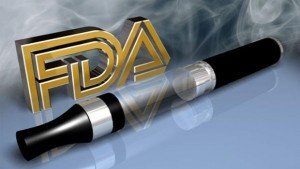
 On the 5th of May 2016, the FDA had announced a list of regulations which will extend its tobacco authority. The new regulations however, had included an expansion of the definition of tobacco products shall include e-cigarettes, cigars, pipe tobacco, vape liquids, and a few other products. The document is 499 pages long and puts all vapor products under the jurisdiction of the Tobacco control act of 2007.
These new regulations will be very harmful to the vaping industry, whereby companies that are bound by the new regulations are required to exhibit the precise contents in their vape liquids, excluding products that have been on the market before year 2007, when virtually no vape products existed. Any products on the market before 2007 have a two year grace period in order to submit any applications resulting in the continuance of selling the company’s products while the application was under review. Any product which has not been selling pre-2007 is required to undergo the application process within 90 days in contrast to being permitted a two year grace period to comply with the requirement. What this rule means for vaping is that nearly every e-cigarette on the market and every flavour of the e-juice will eventually call for a separate application process in order to be given federal approval. Each application could cost $1 million dollars or more. This would definitely kill the vaping industry in the US, as it means that companies will have to fork out millions of dollars just to be able to even sell e-liquid.
The proposal of these new regulations came after the Centers for Disease Control and Prevention (CDC) executed a piece of research which identified that e-cigarette use had tripled among teenagers in a matter of only one year, and that teenagers who were using vaporizers were more than three times as likely to smoke traditional tobacco cigarettes. The recent exposure of such statistics have been shocking and does bring to question in every responsible adults mind: how truly safe are E-cigarettes?
Advocates of public health have long asked for flavored vape products to be banned, stating that many flavors of e-juice for example bubble gum as well as cotton candy have been designed to appeal to younger children in both taste and impression. The further concern lies in how many of these products also contain the proven harmful chemical Diacetyl.
The regulation further prohibits any sale of “covered tobacco products” to people below an age of 18 years old, with the requirement of buyers showing their photo ID for proof of age. An added requirement includes that health warnings be displayed on conventional cigarette tobacco, DIY rolled tobacco, and even covered tobacco product packages including those displayed in advertisements. The regulation also has put a ban on free samples and the selling of any covered products in vending machines which are not located in adult-only facilities (i.e. your local sex shop).
The FDA Commented on the new regulations saying “This action is a milestone in consumer protection — going forward, the FDA will be able to review new tobacco products not yet on the market, help prevent misleading claims by tobacco product manufacturers, evaluate the ingredients of tobacco products and how they are made, and communicate the potential risks of tobacco products.”
Many vape advocates have not expressed any happiness regarding these regulations. In fact, many smokers have even turned to e-cigarettes in order to get their fix of their nicotine needs without facing the harmful effects of smoking tobacco-based traditional cigarettes. It is a relatively well-known fact that vaping is cheaper, gives a better flavor and scent than your typical cigarette smoke, and is much healthier as have been proven by several recent reports and studies performed by universities and research institutions.
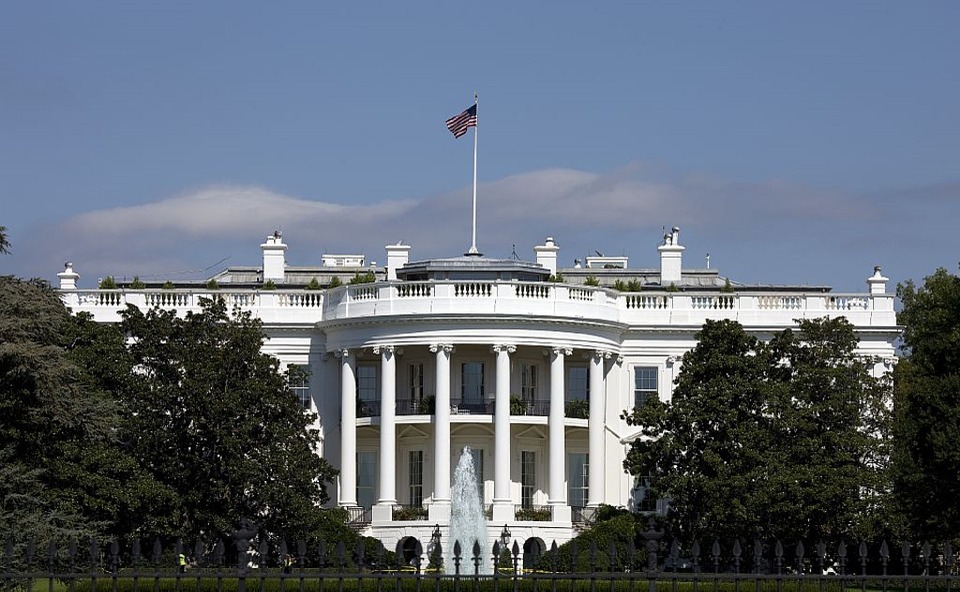
Recently, the FDA submitted the new regulations before the White House for its review. During the review, the Office of Management and Budget (OMB) deleted many phrases and wordings in these tobacco regulations. The provisions that were deleted by the White House saw the removal of the application process for candy and fruit flavored e-cigarettes as well as cigars from the market. The OMB was responsible for the deletion of both the FDA’s planned policy along with its reasoning behind the introduction of such policy.
Emily Cain, one of the White House’s spokeswomen, referred to the OMB as one that “does not comment on changes made during the inter-agency review process.”
According to Michael Felberbaum of the FDA, the FDA has no comments as well.
Needless to say, many individuals who were keen on vaping were not too amused nor happy with the OMB’s decision as this saw a setback in vaping developments and progression.
Matthew Myers, who is the President of Campaign for Tobacco-Free Kids, stated that “given this evidence that tobacco products containing artificial flavoring are luring young people into nicotine addiction, the FDA and the White House should immediately issue a follow-up rule to do exactly what the FDA proposed and remove all flavored tobacco products from the market.”
Further, Harold Wimmer, who is the President of American Lung Association, mentioned that “[we] are deeply troubled that these important safeguards were stripped in this way when FDA repeatedly demonstrated that the science shows flavored products appeal to youth and young adults.”
The White House has to this date not yet announced when they will be commenting on their revisions made to the FDA’s regulations. All that was mentioned was that “We will inform you on any developments/progress on the story.” The positive aspect of all of this is how the White House’s intentions of stopping the FDA’s plan could in the end save the Vaping industry and assurance of this will be a matter of a waiting game.