
A study completed late last year had a look at second generation e-cigs and vaporizers showed some promising results. Two separate studies we’re conducted; the first study focused on using traditional electronic cigarettes while the second part of the study only used second generation personal vaporizers (PVs).
50 smokers, reluctant to quit were amassed for the study. They were provided with second-generation e-cigarettes and 9mg/ml tobacco e-liquids. They would return for follow up visits within 4,8,12 and 24 weeks. The smokers were advised to vape; however, they were not coerced to quit, and permitted to continue smoking. 6 months later 12 participants left and were classified as unsuccessful candidates in reducing or quitting in general.
For the 38 that remained, tests of exhaled monoxide were implemented to assess their status of smoking. The smokers ranked the e-cig for its effectiveness in helping them quit and satisfying their thirst.
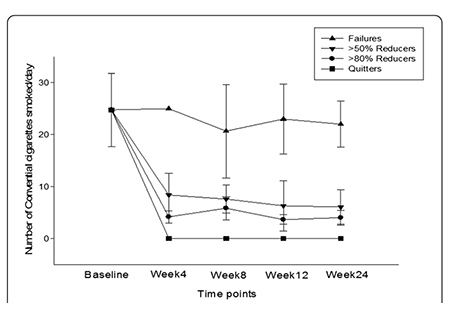 Results: Reduced Daily Consumption of Cigarettes By 80%
The study showed that 15 of the participants decreased their consumption by 50%, smoking only 6 cigarettes per day from 25. 7 individuals, the aforementioned included, went from smoking an average of 25 cigarettes a day to 3—an 80% reduction.
At the end of the study period, 36% of the participants quit smoking and the majority of them (83%) opted for vaping. An 80% decrease in cigarette usage (an average of 25 to 5) was recorded for quitters.
First-Generation E-Cig vs. Second-Generation PVs?
In contrast to the preceding study which showed quit-rates of 22.5%, the second-generation PVs research showed a 36% quit-rate. Both results are quite remarkable. The higher success rate of second-gen personal vaporizers is likely attributed to heavy smokers needing more strength, but regular ecigarettes remain effective at 23% and still highly reduce overall smoking.
Reported Side Effects
Some minor side effects such as dry mouth, headaches, throat and mouth irritation, and dry cough were reported. However, within the time period of the beginning and the end of the study, these side effects reduced considerably.
Some of The Limitations Encountered In The Study
There were a few shortages in the study: small participants, no survey team, and low level of nicotine (9mg/ml) and no supply of various flavors except for one-tobacco. Such shortfalls considerably affected the performance and the assessment quality of the study.
Conclusion
What can be concluded from the study is that e-cigs are effective products that have shown a greater quit-rate that any other alternative out there to help smokers abandon the addiction. This also sheds an unflattering light on regulators who continue to adapt policies that cripple innovation, leaving smokers with the most ineffective e-cigs. If corporations are allowed to enhance the quality of their products, then the number of quitters would inexorably rise.