
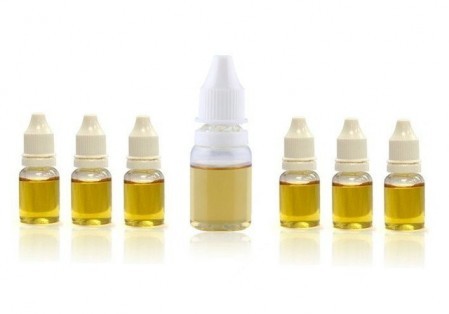
Back in 2009, the FDA conducted a study on e-cigs where it found a 1% concentration amount of diethylene glycol in a single cartridge tested out of a total of 18 stemming from two e-cigarette brands. Diethylene glycol is a toxic ingredient found in anti-freeze, which has never been found in any other e-liquid since then. Even though the findings date back 5 years now, the myth that all or many e-liquid makers would use such a toxic ingredient has continued to circulate.
It is important to remember that only one single cartridge was found to contain only 1% of the toxic substance, and although there could have been a contaminated batch from that e-cig maker, those cartridges have long been gone from production and distribution. E-liquid making regulations have since much improved and American companies have moved most e-juice production back to U.S. soil in order to have tighter control over ingredient and process quality. For a list of the top e-liquid makers, head to our best e-liquid guide here.
The American E-Liquid Manufacturing Standards Association (AEMSA) was founded as a stepping stone for better standards and regulations around proper production and handling for all e-cigarette and e-liquid manufacturers nationwide. The organization is built around volunteers to ensure a safer market for all. The FDA is soon to start further regulations and inspections as well and it is to be seen if it will all be positive or if it will end up imposing unfair costs to small enterprises.
With all of the confusion caused around unfounded arguments, one can simply go back to the ingredient list to confirm the safety of e-liquid. Although propylene glycol PG and vegetable glycerine VG both somewhat resemble diethylene glycol found in anti-freeze liquids, they differ very much in the sense that both PG and VG and completely safe for human consumption and pose no toxicity levels whatsoever. PG and VG have been used in antifreeze in the past and have since been replaced diethylene and ethylene glycol for their much lower freezing points.
An irony and unfortunate fact is that diethylene glycol is used for tobacco processing and can sometimes be found in trace amounts in lower grade tobacco, which means smokers are more likely to be exposed. It is likely the PG cartridge that was found containing some, was most likely low grade propylene glycol that had some left over DEG by-product. DEG, diethylene glycol has even been found as a cheap substitute for glycerine in counterfeit knockoff medicine, making them deadly.
Overall, there really is no concern about toxic antifreeze ingredients finding their way to your e-cigs. Especially now that production is being kept out of overseas China manufacturing, where counterfeiting goods is general practice. Picking a reputable e-cig and e-liquid maker is obviously the smart choice. Buying directly from the manufacturer online also ensures a few more advantages, being that you will get the freshest possible product and the best possible price.