
With the advent of the smokeless cigarette, came many new health concerns and so did sketchy claims surrounding them. The most recent one back in March, was a New York Times article titled ‘Selling a Poison by the Barrel: Liquid Nicotine for E-Cigarettes’ and we found it to be simply misleading for the general public. The study came from the CDC, which is known for releasing ‘scare tactics’ type studies that hold no backbone in terms of solid evidence, in our humble opinion that is. Another example would be from last year where the CDC claimed e-cigarettes increased teen smoking rates because teen use of e-cigs was on the rise. This was discovered to be a flawed study after a little bit of scrutiny found that the teens we’re almost entirely all tobacco users prior to using e-cigs.
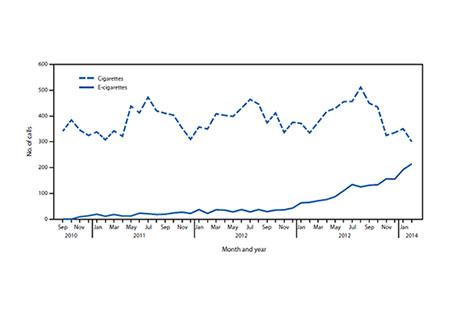
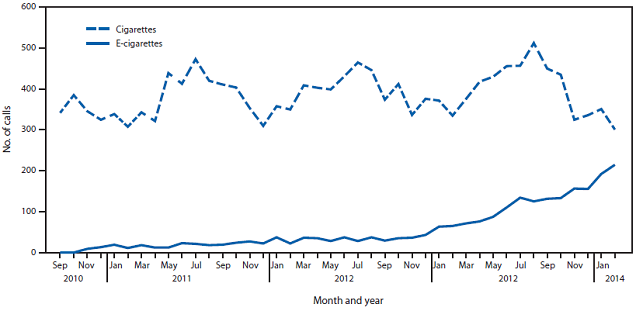
The recent study focused on an increase of poison center calls regarding e-cigarette products and e-liquid affecting children and adults nationwide. Back in 2010, poison calls we’re very minimal and have grown to over 200 per month in 2014. The concern is valid but one must look at the whole picture before passing judgement.
The first thing to note is that an increase of millions of users occurred in the last 4 years, resulting in an obvious increase in incidental poisoning cases. The second thing to note is that all these poison cases are directly inflicted by nicotine and not any other ingredients in e-cig liquid. The third thing to note is that they constitute incidents from very serious where e-liquid was ingested, causing nausea, vomiting and such in children and adults, to less serious cases where the liquid was in contact with skin or eyes, causing irritation, or from children inhaling vapor from e-cigarettes. In the end, it often results in lack of responsibility by the owners to acknowledge that nicotine is a drug and should be stored away as safely as you do with any other.
Just as importantly, e-cigarettes have shown not to pose a greater risk than tobacco cigarettes for nicotine poisoning. Since September 2010, tobacco cigarette poisoning cases have varied from 300 all the way to 500 cases per month, adding up to more than 16,000 cases up until January 2014. E-cigarette related cases only totalled to 2,400 calls. E-cigarette liquid poisonings now account for about 41% of all nicotine related cases and does show an important increase that users need to take note of. The responsibility to lower the number of incidents is simple safety and responsibility with your products. Just like cigarettes need to be kept away from children and pets, so do e-cigarettes and most importantly e-liquid bottles.
Now having looked at the big picture, it is easy to see why e-cigarettes are not to blame. In fact, if you look around your household, you will have plenty of dangerous products capable of causing dangerous poisoning if in contact or ingested. Such products can be everyday items such as cosmetics and toothpaste to cleaning products or pharmaceutical drug prescriptions. Let’s be frank, nicotine is a drug and should be treated that way. E-liquid and e-cigarettes do not deserve to be labelled any more dangerous than all these other products we use.
E-cigarette makers also face accusations that e-liquids are targeted towards children for having fruit and sweet inspired flavors, causing further misconceptions. The flavors are what we, the consumers want. I love my fruit flavors and would not trade them for any tobacco blends. The argument is once more flawed, as there is no such thing as an adult flavor. It is true that a child will certainly be more attracted to the smell, but most packages and bottles are very generic and do not look like candy wrappers either, so let’s not throw empty accusations that e-liquid is dangerous to a child because it comes in assorted flavors. What you should note however, is that a child or toddler can ingest e-liquid much easier than eating cigarettes and require the user to be vigilant at all times in order to never leave bottles in reach.
In conclusion, we remind everyone that being responsible and safe with e-liquid products and vaporizers is very important to the health and safety of kids and animals. These incidents often happen from having a moment of distraction or forgetfulness, but if you are responsible and thoughtful enough to put away a bottle of medication pills, you should remind yourself to always do the same with nicotine products. Do not let media hype articles with no science behind them. Remember, there is a higher risk that your child eats tobacco cigarettes and gets poisoned that way, so make sure to properly handle all nicotine products with the same care you would with any other pharmaceutical.