
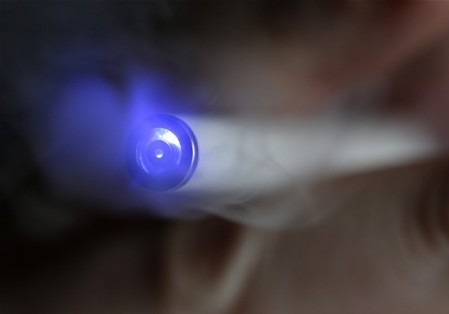
The Guarding just reported on the possible beneficial outcome of incorporating electronic cigarettes to help relieve mental disorder issues. As the debate on e-cigarettes rages on, this article focuses on the effects of electronic cigarettes on mental health. Nicotine has been used for a long time to treat mental health disorders, such as depression, schizophrenia and ADD. The nicotine’s effect on our brain receptors release different types of neurotransmitters including the pleasurable dopamine and serotonins.
Stats show that mental health patients are more likely to be smokers and have dependency to nicotine. Additionally, people who suffer from mental disorders are less likely to be successful at quitting and are usually smokers until the end of their lives, often complicated by various smoke caused diseases. A whopping 90% of schizophrenia patients smoke tobacco cigarettes. Various other mental health issues show a high rate of smokers among them, such as depression, bipolar, anxiety and post-traumatic stress patients. A study estimated that almost a third of smokers in the U.S. are accounted for by people with mental health issues.
These high rates also mean more health problems, expensive costs, and more suffering in their lives from sickness and mortality caused by tobacco smoking. The pros of nicotine appeasing mental disorder symptoms are quickly overweighed by the cons. So it begs the question, can these patients benefit from smokeless electronic cigarettes? As we all know, e-cigarettes produce vapour and do not contain the thousands of carcinogenic by-products inhaled from smoking tobacco.
The director of the Tobacco Dependence Research Unit at Barts and the London School of Medicine and Dentistry, Queen Mary, believes electronic cigarettes have a promising future in the mental health treatment sector. Professor Peter Hajek said:
Some wards give out nicotine replacements, such as patches, so considering e-cigarettes in the same light would make sense. Giving psychiatric patients’ access to e-cigarettes, particularly on closed wards, is definitely something to consider.
A University in Italy was part of the first to put electronic cigarettes to the test, and determined that schizophrenia could be reduced in patients with the use of smokeless vapour cigarettes to administer nicotine in a safe manner, without having any additional side effects on the mental state of the patients or in any other way. If more studies are made and find similar results, it should be enough to add value to electronic cigarettes as a much healthier choice over tobacco smoking. As with all small studies, it is too early to be able to have any determining facts yet, but this is promising for mental health patients who may now have a better alternative.